
Pico Laser Tattoo Removal Machine Buying Guide for Beauty Clinics in 2026
Key Takeaways
A professional Pico laser tattoo removal machine should be evaluated through pulse width, peak power, energy stability, optical components, certifications, and long-term operating costs.
A true pico second laser uses ultra-short pulse duration to create a strong photo-acoustic effect, allowing pigment particles to be fragmented more precisely compared with traditional laser systems.
Beauty clinics should consider treatment applications, patient experience, equipment reliability, and return on investment before purchasing a professional laser system.
Selecting an experienced pico laser tattoo removal Supplier helps clinics obtain stable equipment performance, technical support, and proper compliance documentation.
Introduction
The aesthetic laser market is becoming increasingly focused on multifunctional platforms that can support tattoo removal, pigmentation treatment, and skin rejuvenation. A professional laser device needs to provide stable energy output, accurate pulse control, and reliable operation during daily clinical workflows.
According to the American Society for Laser Medicine and Surgery, laser technologies are widely used in aesthetic and dermatological applications, including tattoo removal and treatment of pigmented lesions.
Compared with traditional Q-switched laser technology, modern picosecond systems focus on delivering shorter pulse durations and higher peak power. This allows clinics to improve pigment fragmentation efficiency while controlling unnecessary heat diffusion.
Before purchasing a pico laser machine, clinic owners should understand the working principle, technical specifications, certification requirements, and supplier capability.
Understanding Pico Laser Technology Before Purchasing
How Picosecond Laser Technology Works for Tattoo Removal
The core technology behind a picosecond laser is the delivery of extremely short laser pulses measured in picoseconds. One picosecond equals one trillionth of a second (10⁻¹² seconds).
During tattoo removal treatment, laser energy is absorbed by tattoo pigments. The ultra-short pulse creates a photo-acoustic effect that produces mechanical stress, helping break large pigment particles into smaller fragments that can be naturally processed by the body.
The U.S. Food and Drug Administration (FDA) explains that medical lasers use precisely focused light sources for applications including tattoo removal and other aesthetic treatments.
The design goal of professional pico second laser systems is to deliver energy precisely while minimizing damage to surrounding skin tissue. This characteristic makes them a common choice in modern cosmetic clinics.
Pico Laser vs Q-Switched Laser: Key Differences for Clinics
When evaluating laser equipment, buyers often compare picosecond systems with traditional Q-switched nanosecond lasers.
| Comparison Factor | Picosecond Laser | Q-Switched Laser |
| Pulse Duration | Picosecond range | Nanosecond range |
| Main Effect | Photo-acoustic effect | Mainly photo-thermal effect |
| Pigment Fragmentation | Smaller pigment particles | Larger pigment particles |
| Thermal Diffusion | Lower | Relatively higher |
| Typical Applications | Tattoo removal, pigmentation, rejuvenation | Tattoo removal, pigment treatment |
Main Applications of Pico Laser Systems in Beauty Clinics
A modern laser platform can support multiple treatment categories, helping clinics expand service options.
Common applications include:
- Tattoo removal for different pigment colors
- Pigmentation correction, including sun spots and melasma management
- Skin rejuvenation and cosmetic dermatology treatments
Beauty salons and clinics prefer picosecond laser technology largely because of its versatility.One device can cover different treatment needs, and operators don’t need to invest in new equipment for new projects, making the return on investment more cost-effective.
Key Factors to Consider When Buying a Pico Laser Machine
Pulse Width, Energy and Peak Power Performance
Technical specifications directly influence treatment consistency. When comparing different systems, buyers should pay close attention to pulse width, energy output, frequency, and stability.
Important parameters include:
| Parameter | Importance |
| Pulse Width | Determines how quickly laser energy is delivered |
| Energy Output | Affects pigment fragmentation capability |
| Peak Power | Influences treatment efficiency |
| Energy Stability | Ensures consistent clinical performance |
Commercial clinics use their equipment frequently, so output stability is crucial. A mature system can maintain consistent performance through repeated operation, without fluctuating performance, giving operators greater peace of mind.
Laser Source, Optical Components and Hardware Quality
Besides pulse performance, the internal hardware design of a laser system directly affects long-term stability. For clinics purchasing professional aesthetic equipment, important components include the laser source, optical switch, wavelength conversion system, and beam delivery structure.
High-quality optical components help maintain accurate energy transmission and reduce performance loss during repeated treatments. A stable beam delivery system is also important because uneven energy distribution may affect treatment consistency.
When selecting a supplier, buyers should request detailed technical specifications. Information about laser modules, optical components, and factory testing procedures can help evaluate whether the equipment is designed for professional clinical use.
Certification, Safety and Long-Term Reliability
Medical aesthetic equipment must meet safety and quality requirements before entering different markets. Certifications provide buyers with a reference for manufacturing standards, electrical safety, and quality management systems.
Common certifications that clinics and distributors should check include:
| Certification | Purpose |
| CE 2014/35/EU | Electrical safety compliance |
| IEC 60601-1 | Medical electrical equipment safety requirements |
| ISO 13485 | Medical device quality management system |
For international buyers, certification documents are also an important part of import preparation and market compliance.
A professional pico laser tattoo removal Supplier should be able to provide clear documentation, technical support, and after-sales service to reduce purchasing risks.
Haidari Beauty Pico-RU Pico Laser: A Professional Solution for Beauty Clinics
After understanding the key purchasing factors, clinics can evaluate specific equipment based on technical performance, component quality, and business value.
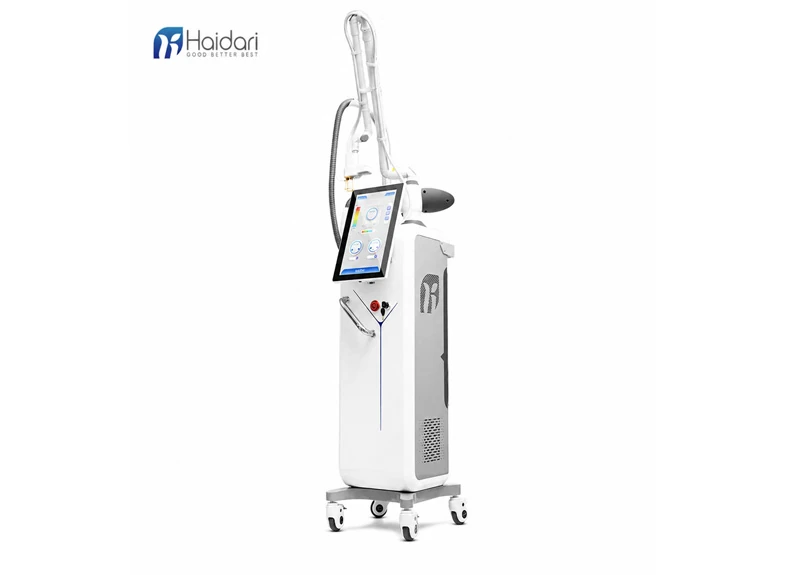
The Haidari Beauty Pico-RU Pico Laser is designed for professional aesthetic applications, including tattoo removal, pigmentation treatment, and skin rejuvenation.
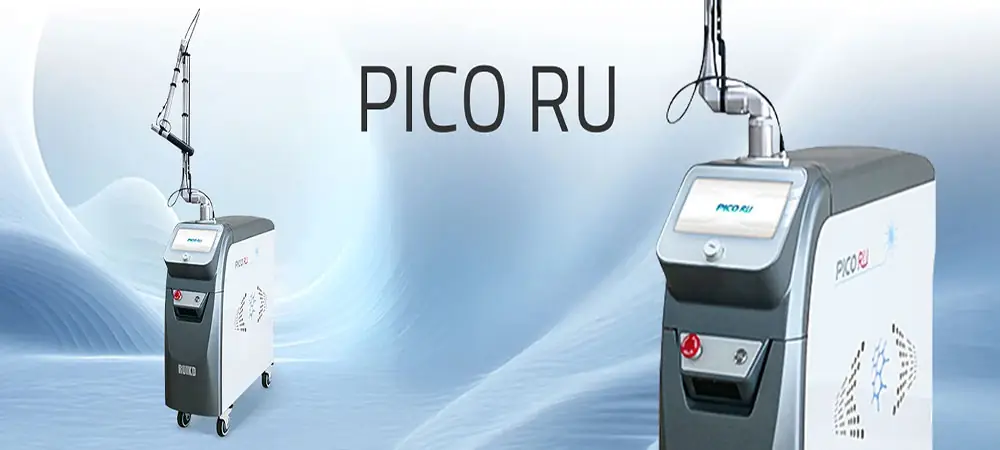
Advanced 300ps Pulse Technology for Efficient Pigment Treatment
The system uses a 300ps ultra-short pulse width with high peak power performance. Its main specifications include:
| Specification | Performance |
| Pulse Width | 300ps |
| Maximum Energy | 600mj |
| Peak Power | 2GW |
| Frequency | 10Hz |
| Energy Stability Tolerance | ≤3% |
| Power Supply | 3000W |
| Laser Rod Size | 7mm + 8mm |
The shorter pulse duration allows the system to deliver concentrated energy within an extremely short time, supporting efficient pigment fragmentation while controlling unnecessary heat accumulation.
Compared with some similar-level systems using approximately 450ps pulse duration, the 300ps pulse width provides a shorter pulse output. The system also delivers 2.0GW peak power compared with approximately 1.67GW in some comparable devices.
Imported Core Components for Stable Performance
The laser performance depends not only on software settings but also on the quality of key optical components.
The Pico-RU Pico Laser integrates:
- US-imported laser rod
- US-imported optical switch
- Japanese-imported KTP crystal
- UK-imported lamp
The laser module is manufactured by Haidari Beauty, allowing better control over pulse stability and output performance.
This internal production capability helps maintain consistent laser characteristics and supports long-term equipment reliability for professional users.
Designed for Continuous Clinic Operation
Beauty clinics often need equipment that can support multiple treatments throughout the working day. The Pico-RU Pico Laser is designed for continuous operation and can work up to 24 hours per day under appropriate operating conditions.
This capability allows clinics to manage higher patient volumes while maintaining stable treatment workflows.
Real Clinic Application Example: Improving Pigmentation Treatment Results
A Manhattan-based aesthetic clinic operated by Dr. Elena treated patients with different Fitzpatrick skin types. Before upgrading equipment, the clinic experienced challenges with post-inflammatory hyperpigmentation (PIH) risk when using traditional nanosecond laser systems. Some patients also required multiple treatment sessions, increasing both cost and treatment time.
After adopting a 300ps picosecond laser platform, the clinic used ultra-short pulse technology to deliver stronger photo-acoustic effects with reduced thermal diffusion. The system supported more precise fluence adjustment for different pigmentation conditions.
During a three-month observation period, the clinic treated 62 patients. One 48-year-old Hispanic patient with mixed melasma achieved approximately 70% clearance after two treatment sessions spaced four weeks apart. Compared with previous treatment approaches, the clinic reported:
| Clinical Indicator | Result |
| PIH occurrence | Reduced from 28% to 5% |
| Average sessions per case | Reduced from 7 to 3 |
| Patient satisfaction | Increased from 64% to 97% |
| New pigmentation consultations | Increased by 40% |
This case represents an internal application example, and actual clinical outcomes may vary depending on patient conditions and treatment protocols.
Business Benefits: ROI and Clinic Growth Potential
Treatment Efficiency and Revenue Opportunities
A professional laser system can create additional revenue opportunities by supporting multiple treatment categories.
Typical users include:
| Application Site | Main Users |
| Beauty salons | Cosmetic treatment services |
| Beauty clinics | Tattoo removal and pigmentation programs |
| Dermatology clinics | Professional skin treatments |
Because one platform can support multiple aesthetic applications, clinics can improve equipment utilization compared with single-purpose systems.
Investment Recovery and Long-Term Value
The purchase decision for aesthetic equipment should consider both initial cost and long-term revenue potential.
For many clinics, professional tattoo removal treatments are high-value services, with individual sessions often priced above $300 depending on region, treatment type, and clinic positioning.
Based on typical clinic operation models, the investment cost of this type of equipment may be recovered within approximately two months in suitable business conditions. Over the equipment lifecycle, the potential ROI can exceed 1:100 when the device is fully utilized.
Actual results depend on factors including patient volume, pricing strategy, local market conditions, and treatment frequency.
How to Choose a Reliable Pico Laser Supplier in 2026
When selecting a supplier, clinics should evaluate more than equipment specifications. A reliable partner should provide:
- Complete technical documentation and certifications
- Operator training and after-sales support
- Warranty service and spare parts availability
A professional supplier should also understand regional market requirements and help customers choose suitable configurations for different treatment applications.
For distributors and clinic groups, cooperation with a manufacturer that has independent laser module production capability can provide better product consistency and supply chain stability.
Frequently Asked Questions About Pico Laser Tattoo Removal Machines
Q1: What is the difference between a true pico laser and a Q-switched laser?
A: A true picosecond laser uses ultra-short pulse durations measured in picoseconds, creating a photo-acoustic effect that breaks pigment particles into smaller fragments. Traditional Q-switched lasers mainly rely on nanosecond pulses and stronger thermal effects.
Q2: What certifications should buyers check before purchasing a pico laser machine?
A: Buyers should check whether the equipment provides relevant compliance documents, including CE 2014/35/EU, IEC 60601-1, and ISO 13485 quality management certification.
Q3: How long can the Pico-RU Pico Laser operate continuously?
A: The system is designed for continuous operation and can work up to 24 hours per day under proper operating conditions.
Q4: Does Haidari Beauty provide training and warranty support?
A: Yes. Haidari Beauty provides video training after customers receive the machine and offers a 2-year warranty service.
Conclusion
Choosing a laser system isn’t just about looking at technical specifications. Reliability, compliance, and commercial viability all need to be weighed.
A reliable pico laser machine requires stable pulses, robust core components, and consistent support throughout its lifespan. If a clinic is planning to expand into tattoo removal and cosmetic treatments, selecting the right supplier is a crucial first step.
The Haidari Beauty Pico-RU Pico Laser combines 300ps pulse technology, professional optical components, and clinic-oriented design to support beauty salons, beauty clinics, and dermatology centers worldwide.If you are looking for a reliable partner for professional aesthetic laser equipment, contact us to discuss your clinic requirements and explore suitable Pico Laser solutions.