Why is the CO2 + Erbium Glass Laser Machine Redefining Skin Resurfacing Standards?
Introduction
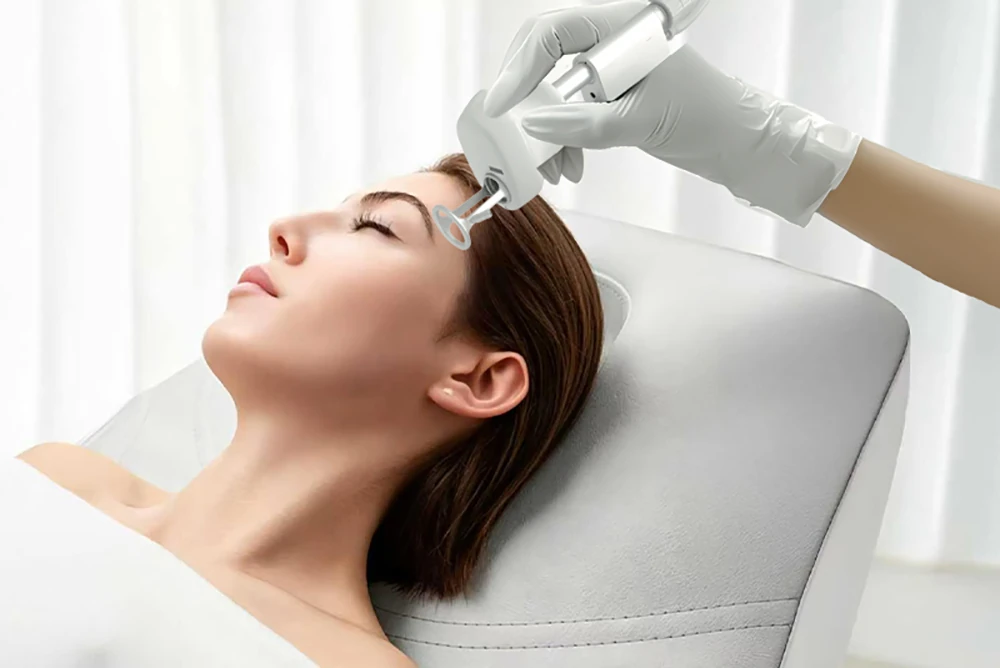
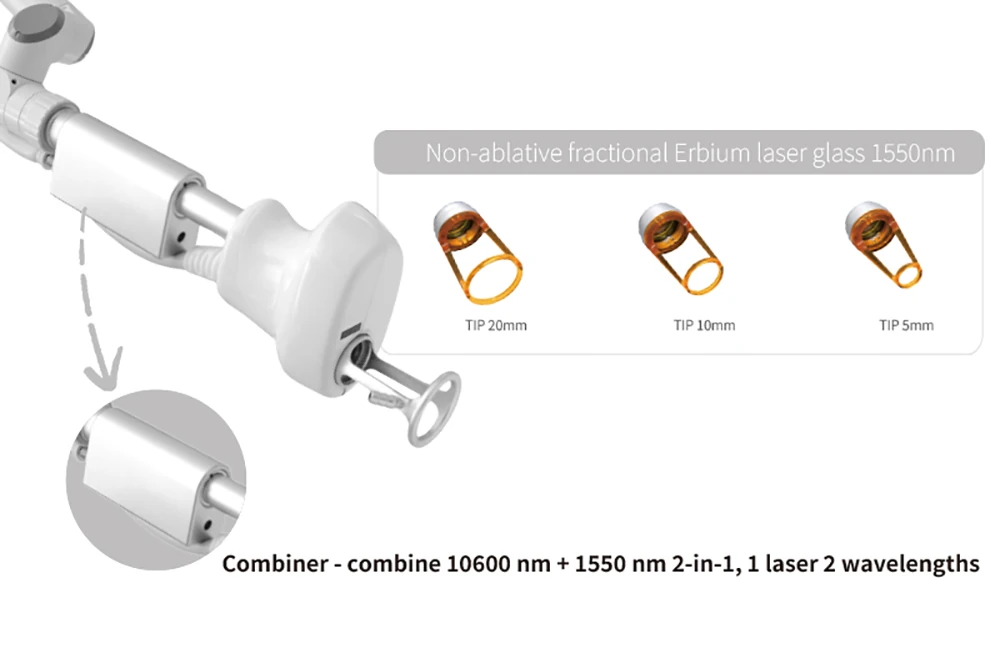
The landscape of aesthetic laser treatments is witnessing a paradigm shift, moving from single-solution devices towards integrated platforms that offer comprehensive, efficient, and patient-friendly outcomes. At the forefront of this shift is the Haifrax Dual, a revolutionary CO2 + Er:Glass laser machine. This platform is not merely two devices in one cabinet; it represents a harmonized fusion of two distinct, proven wavelengths: a high-power 10,600nm CO2 laser fractional system and a deep-penetrating 1550nm fractional erbium glass laser.
The Hybrid Advantage
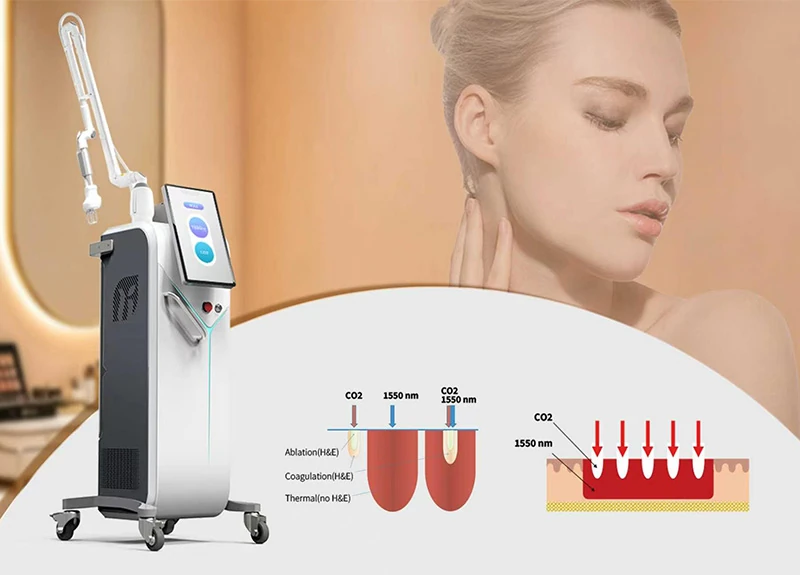
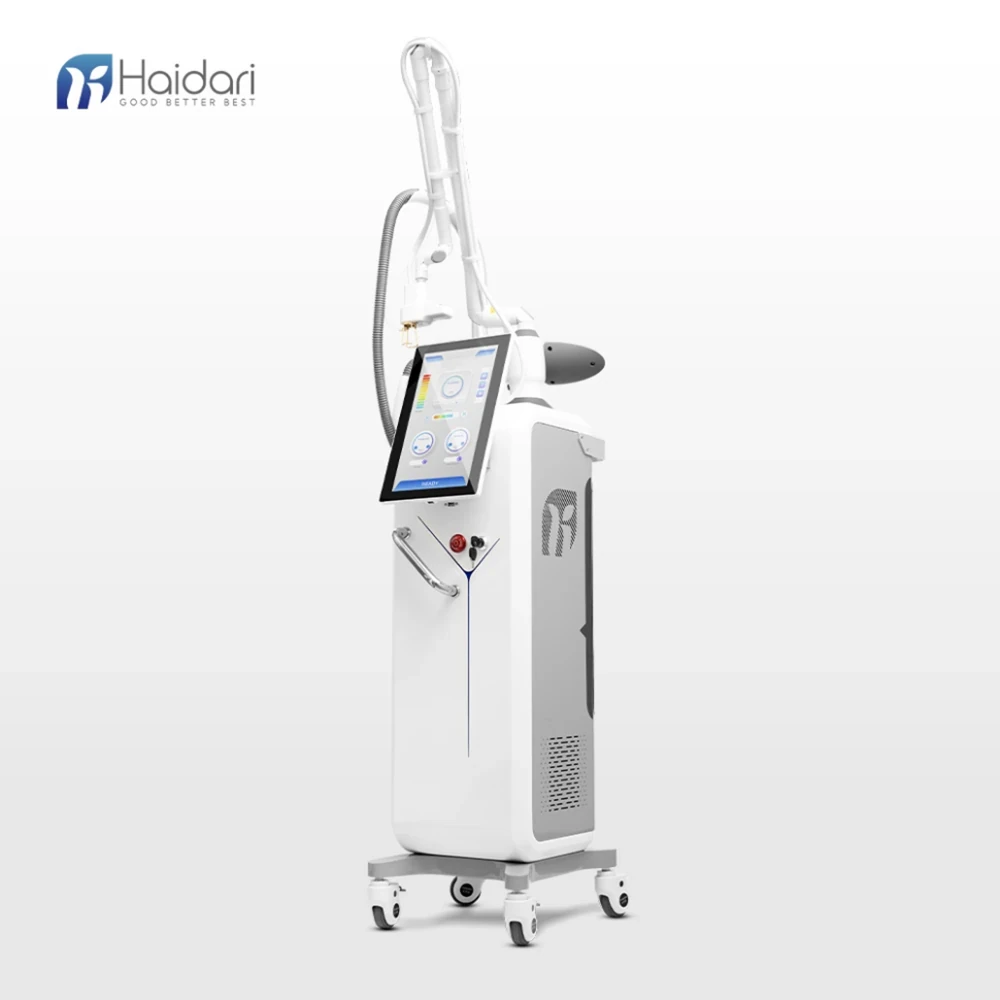
Traditional approaches often force a choice: aggressive ablative resurfacing for dramatic texture change with significant downtime, or gentle non-ablative treatments for subtle improvement with minimal recovery. The Haifrax Dual shatters this compromise. Its core innovation is a “Synchronized Synergy” mode, where the CO2 laser fractional and the 1550nm fractional Er:Glass laser emit in a coordinated sequence. This allows clinicians to address the epidermis and the deep dermis simultaneously in a single pass—a capability that is redefining expectations for efficacy and efficiency.
Industry Context
This evolution reflects a broader clinical shift toward combination and hybrid laser systems that integrate both ablative and non-ablative mechanisms to optimize treatment outcomes while reducing patient downtime. Research shows that fractional laser resurfacing stimulates controlled dermal injury zones that promote collagen remodeling while preserving surrounding epidermal tissue, enabling faster recovery and improved skin rejuvenation results.(Source: https://pubmed.ncbi.nlm.nih.gov/23377390/)
Technical Specifications: The Power of Dual Wavelengths
The efficacy of the Haifrax Dual stems from the complementary physics of its two core lasers. The table below provides a data-driven comparison of these technologies within the unified system.
| Feature | CO2 laser fractional (Ablative) | 1550nm fractional erbium glass laser (Non-Ablative) |
| Wavelength | 10,600nm | 1,550nm |
| Laser Source | U.S. Coherent RF Tube | Pulsed erbium glass laser |
| Power Output | 70W / 100W | 15W |
| Primary Target | Water in epidermal & superficial dermal cells | Water in the mid-to-deep dermis |
| Tissue Interaction | Ablative Vaporization (creates micro-channels) | Volumetric Heating (creates micro-thermal zones) |
| Primary Function | Precision resurfacing, scar revision, lesion removal | Deep dermal remodeling, collagen stimulation, texture improvement |
Core Advantages of the CO2 + Erbium Glass Laser Machine
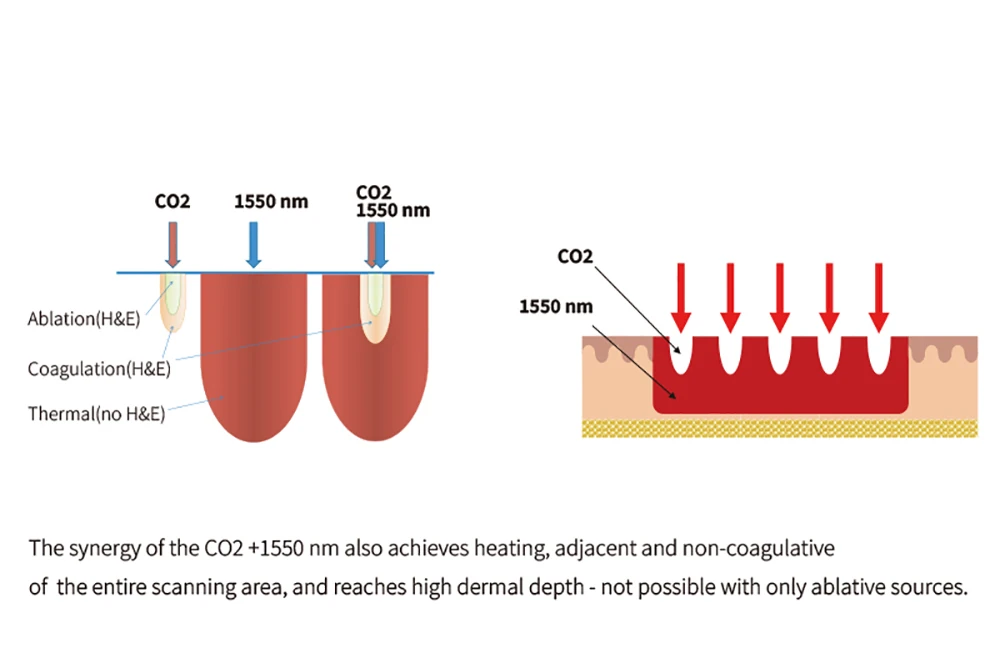
- Synchronized Dual-Wavelength Emission: This is the system’s flagship advantage. The CO2 laser fractional component first creates precise microscopic ablation zones (MTZs). These micro-channels temporarily reduce the skin’s optical density, allowing the subsequent 1550nm fractional Er:Glass laser energy to penetrate deeper—up to 1.5mm—with significantly less scatter and greater efficiency. This synergy delivers ablative precision and volumetric dermal heating in one integrated treatment.
- U.S. Coherent Source & German Optics: Reliability is engineered into the hardware. The CO2 laser fractional system utilizes a latest-generation U.S. Coherent RF-excited laser tube, renowned for its stability and longevity, rated for over 1 billion pulses with minimal power decay. Coupled with high-precision German scanning optics, this ensures consistent beam quality, spot profile, and treatment uniformity—a benchmark for high-end CO2 + Erbium Glass laser machine platforms.
- UltraPulse Precision: The system’s CO2 laser fractional component features ultra-short pulse duration capability down to 0.1ms. This UltraPulse technology confines thermal energy to the target tissue, minimizing lateral thermal damage (LTD). The result is cleaner ablation, more precise tissue interaction, and accelerated healing compared to lasers with longer pulse durations.
- Unmatched Flexibility & Customization: Our platform stands out with its remarkable flexibility and customization options. It offers three separate operational modes: you can use it as a pure CO2 laser fractional device, a pure 1550nm fractional Erbium glass laser, or opt for the synchronized combination of both. This gives medical practitioners the ability to fine-tune treatments with a level of precision that’s hard to match. For clinics aiming to gain a competitive edge in the market, the system goes a step further. It provides full-scale ODM/OEM customization services. You can customize the software, adjust the parameters according to your specific needs.
How It Works
1. Surface Tissue Removal
The CO2 laser fractional device fires off pulses. These pulses are incredibly precise, vaporizing columns of damaged tissue in the epidermis and upper dermis that are rich in water. This process tackles surface flaws such as fine lines, wrinkles, and scars right on the spot.
2. Deep Heat Delivery
Just milliseconds after the CO2 laser action, the 1550nm fractional erbium glass laser sends out its pulse. The energy from this pulse moves down the tiny channels created by the CO2 laser. Since the surface tissue has already been removed, there’s less resistance, allowing the energy to penetrate deep into the dermal layer and deposit controlled heat.
3. Two-Pronged Skin Repair & Collagen Boost
This combined “injury” sets off a well-coordinated skin-repair process. The areas treated by the CO2 laser fractional promote the renewal of the epidermis and superficial skin reshaping. Meanwhile, the deep heat from the Er:Glass laser encourages the body to produce a large amount of new collagen and elastin at a deep level.
4. Combined Effect
The end result is a full-scale remodeling of the skin. It improves skin texture, evens out skin tone, and tightens the skin. Often, this can be achieved in fewer treatment sessions compared to using either an Er:Glass laser or an aggressive CO2 laser fractional treatment on their own.
Application Scenarios
- Ablative Skin Renewal: Employing the pure fractional CO2 laser technique to effectively treat pronounced signs of photoaging, deep-set wrinkles, and actinic keratosis.
- Non-Ablative Texture Improvement: Employing the pure 1550nm fractional Er:Glass laser for pore minimization, mild acne scars, and overall skin rejuvenation with virtually no downtime.
- Complex Acne & Surgical Scar Revision: The synchronized mode of this CO2 + Er:Glass laser machine is ideal for atrophic and hypertrophic scars. The CO2 ablates the scar edges and surface, while the 1550nm energy remodels the scar base and stimulates collagen fill beneath it.
- Minimal-Invasive Approach to Tissue Firming: When the Er:Glass laser’s deep dermal heating is delivered through the channels created by CO2 laser treatment, it triggers instant collagen shrinkage and facilitates long-term collagen restructuring. This provides a non-surgical solution for addressing mild to moderate skin looseness.
Safety Profile
The non-ablative nature of the 1550nm fractional erbium glass laser is key to safety. By preserving the epidermal integrity and melanocytes in the treatment zones, it significantly reduces the risk of post-inflammatory hyperpigmentation (PIH), making the synchronized treatment a viable option for a wider range of Fitzpatrick skin types (III-VI) under proper protocol, compared to aggressive ablative treatments alone.
FAQ: Everything You Need to Know About the Haifrax Dual
Q1: Can I use the Er:Glass laser and CO2 laser fractional separately?
A1: Absolutely. A key strength of this CO2 + Er:Glass laser machine is its flexibility. It functions as three devices in one: a standalone high-performance CO2 laser fractional resurfacer, a standalone 1550nm fractional Er:Glass laser for non-ablative treatments, and the synchronized hybrid mode.
Q2: What is the recovery time for the 1550nm fractional Er:Glass laser treatment?
A2: When used in its pure, non-ablative mode, the 1550nm fractional Er:Glass laser typically involves minimal “downtime,” with 24-48 hours of redness and slight swelling. In the synchronized dual-mode, recovery is typically shorter than with a traditional, deeply ablative CO2 laser fractional treatment, often ranging from 3-7 days depending on the settings used.
Q3: Why is a U.S. Coherent source important for a CO2 + Er:Glass laser machine?
A3: The laser source is the engine of the system. A U.S. Coherent RF-excited tube for the CO2 laser fractional component is an industry benchmark for reliability, beam quality, and longevity. It ensures consistent power output and spot profile over the system’s lifetime, which is critical for predictable, repeatable clinical results and protecting the clinic’s investment.
Conclusion
The Haifrax Dual CO2 + Er:Glass laser machine is more than an incremental upgrade; it represents the new standard for versatile, high-efficacy aesthetic laser platforms. By intelligently integrating the surface-level precision of a CO2 laser fractional system with the deep, bio-stimulatory power of a 1550nm fractional erbium glass laser, it delivers synergistic outcomes that were previously unattainable in a single session. It empowers clinics to offer a broader range of treatments—from aggressive resurfacing to no-downtime rejuvenation—with one capital investment, all while aligning with the modern demand for protocols that blend superior results with optimized patient recovery. For practices aiming to lead in the future of aesthetic medicine, this dual-wavelength synergy is not just an option; it’s a strategic imperative.